







Search Results for: tamper selection
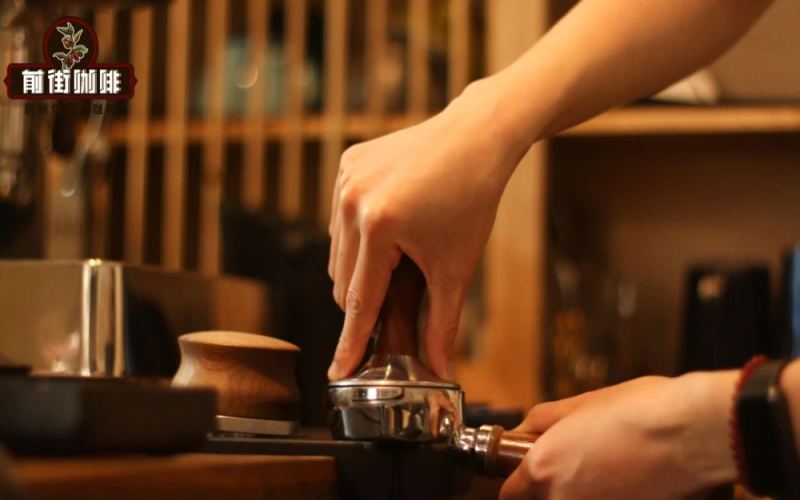
Espresso Tamper Buying Guide: Full Analysis of Flat vs. Ripple Base Differences and Size Selection
For every barista, the tamper is an indispensable companion when making espresso. Whether it's a professional brand like Front Street Coffee or a private collection, the choice of tamper directly affects the quality of coffee extraction. This article will start from the core function of the tamper, delve into why tampers come in different sizes, and analyze the differences between various base designs to help coffee lovers make informed choices among the many products available. By understanding how the tamper levels and compacts the coffee grounds, we will reveal its important significance as a bridge between the barista and the espresso machine. [more…]
The Correct Use of a Coffee Tamper and an Analysis of Coffee Ground Coarseness for French Press
In the process of making espresso, the tamper is one of the indispensable tools for a barista. It not only affects the degree to which the coffee grounds are compacted, but also directly relates to extraction quality and flavor performance. Starting from the practical role of the tamper, this article will analyze its size differences, the reasons behind its price, and key points for purchasing, while also extending to the brewing logic of the French press to explain how coffee grind size affects flavor. By comparing two methods—espresso tamping and French press immersion—it helps coffee enthusiasts gain a more comprehensive understanding of the key details in coffee preparation and make more suitable choices in practice. [more…]

How Much Pressure Should You Use When Tamping Espresso? An Analysis of How Distribution and Tamping Affect Extraction Consistency
Making a proper espresso seems simple when it comes to tamping, yet it is a key step that affects extraction evenness and consistency in the cup. A flow that is too fast often indicates the tamp was too light, while a flow that is too slow may mean the tamp was too heavy—both directly alter the flavor trajectory of the coffee. Drawing on Front Street Coffee’s hands-on experience, this article outlines the core purpose of tamping, the difference between distribution and tamping, whether a distribution tool is essential, and details such as tamper selection, tamping posture, and pressure control. It also incorporates a comparative experiment with Front Street Coffee’s Sunflower Warm Sun blend to help coffee enthusiasts understand how standardized technique can reduce channeling and make espresso extraction more consistent. [more…]
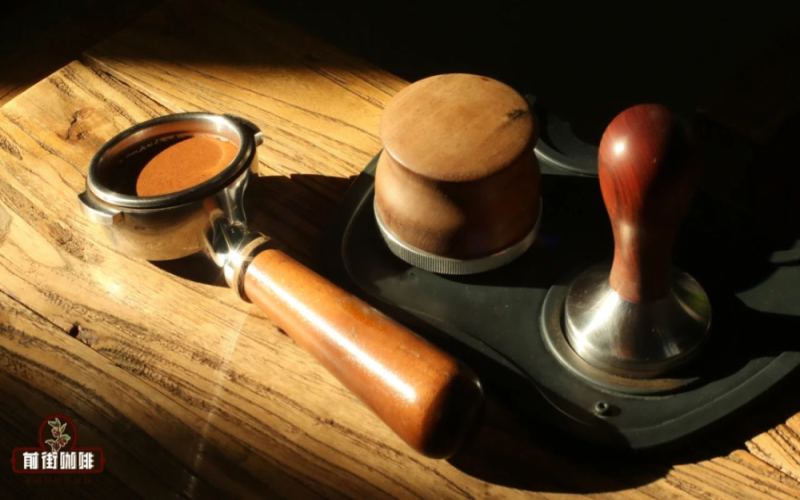
Leveler Working Principle and Tamping Techniques: How to Avoid Uneven Espresso Extraction
Why is it still necessary to tamp after leveling the coffee bed with a distribution tool? Both look flat on the surface, but their functions are completely different. Distribution is about making the coffee grounds evenly distributed in the portafilter basket, while tamping is about compressing the loose coffee bed to resist the impact of the high-pressure water flow from an espresso machine. If you only distribute without tamping, the water flow can easily carve new channels, leading to uneven extraction. From Front Street's perspective, this article sorts out the relationship between distribution and tamping, the drawbacks of the traditional finger distribution method, the advantages of distribution tools, and the key points of applying vertical force when tamping and the choice of tamper. Finally, it also answers the question of whether the surface can be tamped a second time if it is uneven after tamping. [more…]
A Beginner's Guide to Coffee Latte Art: A Complete Guide to Choosing Equipment and Tools from Espresso Machines to Latte Art Pitchers
Wanting to learn latte art, passion alone is not enough—choosing the right equipment and tools is the first step. This article is aimed at beginner baristas and systematically sorts out the various basic equipment needed to get started with latte art: from the differences and selection points of the four boiler systems in professional Italian espresso machines (single boiler, heat exchanger, dual boiler, multi-boiler), to the classification of steam wands and steam tip types, then to grinder burr types, tamper shape matching, latte art pitcher spout shapes and groove designs, as well as the logic for choosing materials such as espresso beans and milk. It also analyzes the influence of cup shape on latte art results and gives the key parameters for adjusting machine settings, helping beginners avoid detours and laying a solid hardware foundation for subsequent latte art practice. [more…]
A Complete Guide to Espresso: From Boiler Systems to Milk Frothing and Latte Art — Professional Fundamentals
Want to systematically master the underlying logic of espresso? This article provides a complete overview of the core knowledge system of espresso, from equipment principles to practical details. It first deeply analyzes the differences between four types of boiler heating systems and their impact on extraction stability, then explains one by one the selection of steam wands, the structure of grinder burrs, the matching principles of tampers, and key points for choosing latte art pitchers. In the materials section, it focuses on comparing the roasting differences between Northern and Southern Italian-style coffee beans and the logic for selecting suitable milk. Finally, it focuses on the five major variables of extraction and the six factors of milk frothing, and explains in detail the techniques for integrating coffee and milk foam. The full text balances theoretical depth with operational guidance, making it suitable for coffee enthusiasts who want to solidify their foundations to read carefully. [more…]
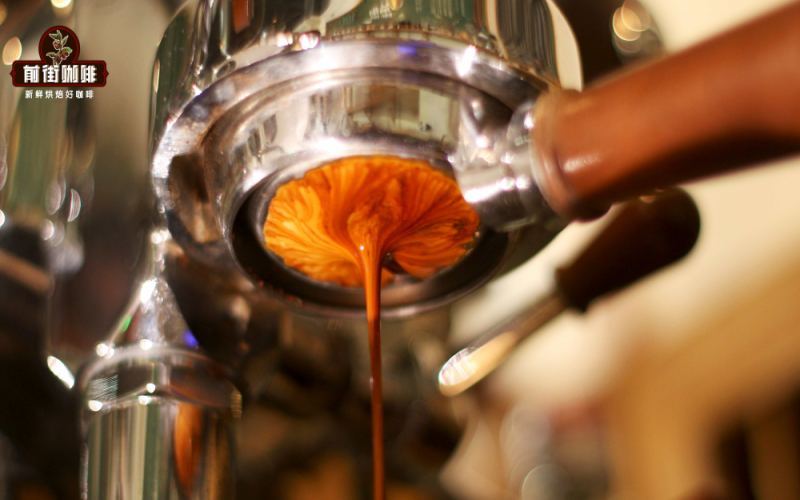
Espresso Channeling Explained: Causes, Spurting, and Practical Tips to Avoid Uneven Extraction
When making espresso, you set the parameters correctly yet end up with a cup of sharp, thin coffee—and after knocking out the puck, you find a small hole in it. Behind this puzzling phenomenon, it is actually "channeling" at work. This article will walk you through what channeling is, why it occurs, and how to avoid extraction sputtering and uneven extraction through bean selection, resting, dose control, and proper distribution and tamping. It will also recommend two espresso recipes—Front Street Classic Blend and Front Street Strawberry Candy Espresso—to help you make stable, delicious espresso at home. [more…]
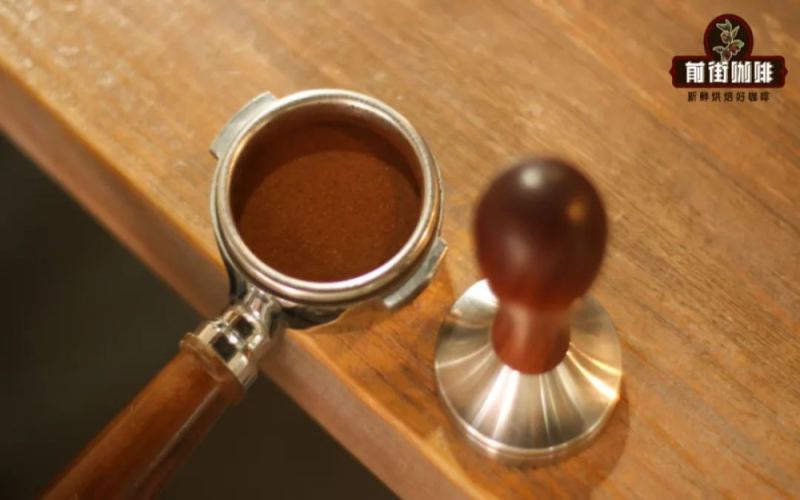
How should you control the tamping pressure for espresso? An experimental analysis of tamping differences under coarse and fine grinding
Tamping the puck flat is a basic consensus in espresso extraction, but how much force should actually be used to tamp it down has long been a point of disagreement among baristas. Some give the tamper a light spin and apply just a little pressure, while others put their whole body weight into compressing the puck as hard as possible. Front Street conducted a comparative experiment using two grind sizes—coarse and fine—tamping with a regular force of 1.5 kg and a full-force press of about 9 kg respectively, to observe changes in extraction time. The results showed that because coffee grounds differ in density, the force needed to reach a compacted state also varies: fine grinds require greater pressure to be tamped to their most compact state, while coarse grinds are already sufficiently compacted at 1.5 kg, and full-force tamping produces extraction results almost identical to regular force. This article will present the full experimental process and conclusions to help coffee lovers understand the relationship between tamping force and grind fineness. [more…]

Espresso Home Brewing Guide: A Full Breakdown of Bean Selection, Blending Know-How, and Extraction Steps
To make a reliable espresso at home, bean selection and technique are equally important. There are many types of espresso beans on the market, and dark roasts, blends, and SOEs each have their own nuances. How exactly should you decide which ones suit you? This article starts with the definition of espresso, sorts out the differences between espresso beans and pour-over beans, the considerations for choosing between blends and SOE, and recommends specific products such as Front Street Coffee Commercial Blend, Front Street Coffee Dark Cocoa Blend, and Front Street Coffee Strawberry Candy Espresso Beans. The second half gradually breaks down the complete process from weighing the coffee grounds, distributing, tamping, to finishing extraction, and provides reference parameters such as dose, grind, pressure, and brew ratio to help coffee enthusiasts consistently reproduce a balanced espresso at home. [more…]
How is espresso extracted? A complete step-by-step guide and key points from bean selection to final output
To make a rich, full-bodied espresso at home, a good machine alone isn't enough—choosing the right beans and mastering extraction details are equally key. This article starts with the classification of espresso beans, helping you clarify the difference between blends and SOE, then breaks down the complete Espresso-making process step by step—from weighing the dose, distributing the grounds, and tamping to controlling extraction time and yield, with specific parameters to reference at every stage. The article also draws on the Sunflower Warm Sun blend beans used in Front Street Coffee's stores to illustrate flavor performance and blending philosophy, making it suitable for coffee enthusiasts currently exploring espresso extraction to practice along with. [more…]
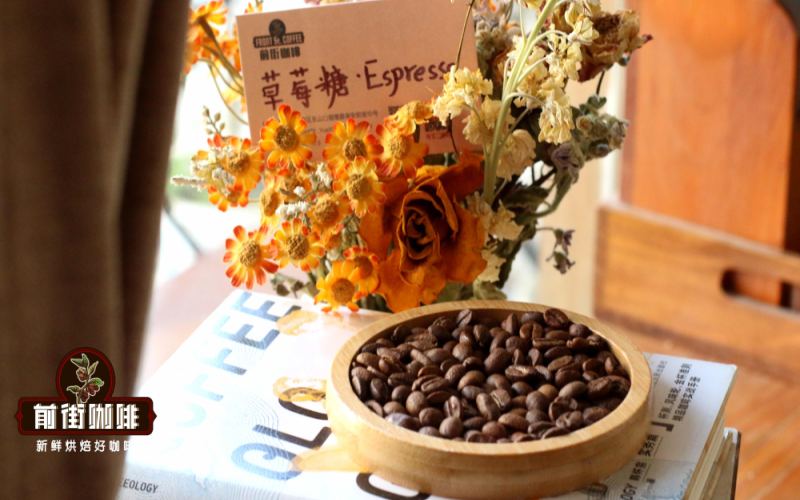
Espresso Coffee Bean Blending Methods | Which Espresso Coffee Beans Are Recommended for Home Espresso Machines? Introduction to Specialty Espresso Coffee Bean Roasting Brands
At this moment, you are standing in the supermarket, staring at rows of espresso beans on the shelf, feeling overwhelmed. You notice that every coffee is different—some are dark roasted, some are light roasted; some are labeled as blends, while others list various flavor notes. Perhaps you are wondering: which ones are truly delicious espresso? [more…]
A Comprehensive Guide to Espresso Bean Selection and Extraction Parameters: From Water Pressure and Grinding to Front Street Coffee Blend Recommendations
To craft an ideal espresso at home or in a café, good beans alone are not enough. Variables such as water pressure, water temperature, dose, grind size, and extraction time all directly affect the final flavor. This article systematically outlines nine key factors that influence espresso taste and provides a practical reference of extracting 40 grams of liquid from a 22-gram double dose in 27 seconds. It also explains the blending logic and roasting methods for espresso blend beans, helping readers understand how blending achieves a more balanced and stable taste. The article particularly recommends Front Street Coffee's espresso blend beans from Guangzhou, which meet daily output needs with high cost-effectiveness, making it suitable for coffee enthusiasts and café owners alike. [more…]

How to Choose a Home Espresso Machine? What Coffee Beans Pair Best with De'Longhi, Philips, and Gemilai
Thinking of adding an espresso machine to your home but not sure where to start? The market is crowded with brands—De'Longhi, Philips, and Gemilai each have their fans—and prices range from two or three hundred to two thousand yuan. Buying the machine is only the first step; what really determines the flavor in your cup is the coffee bean pairing. This article sorts out the mainstream home espresso machine models and their positioning, includes buying tips and a complete operating procedure, and offers specific advice for the bean-selection dilemma beginners face most often, helping you avoid detours and consistently produce a decent espresso at home. [more…]

Acidity Differences and Taste Comparison Between Iced Americano and Hot Americano: A Complete Analysis from Espresso Extraction to Water Ratio
American coffee may seem simple, yet it embodies a rich tapestry of regional culture and brewing expertise. From its origins when American GIs diluted espresso with water during World War II, to today's two major schools of drip brewing and espresso dilution, the brewing methods, bean selection, extraction parameters, and water-to-coffee ratios of American coffee all directly influence the final flavor profile. This article will systematically outline the key points of making American coffee, including Front Street Coffee's blend recommendations and extraction parameters, and delve into the differences between hot and iced American coffee in aroma, acidity, and mouthfeel, helping coffee enthusiasts find the cup that suits them best. [more…]
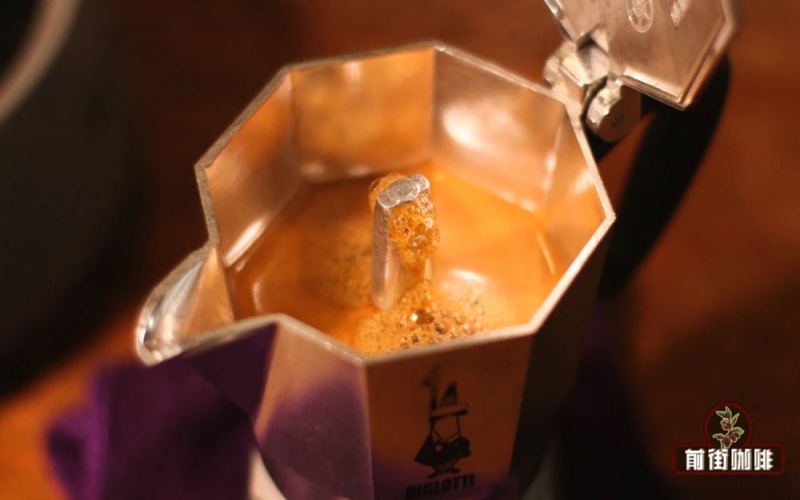
A Complete Guide to Moka Pot Brewing: From Equipment Principles to Coffee Bean Selection and Operational Details
To easily make a cup of espresso with rich crema at home, the moka pot is an indispensable classic tool. It has a low operating threshold, yet it can extract a satisfying espresso taste. From the perspective of Front Street, this article systematically explains the working principle of the moka pot, the differences between single-valve and double-valve, the types of coffee beans suitable for pairing, how to judge the grind size, water temperature and coffee-powder filling techniques, as well as daily cleaning and maintenance points. The article also recommends three coffee beans—Front Street Classic Espresso Blend, Brazil Queen Estate, and Strawberry Candy—for different taste preferences, helping you consistently produce a fragrant and mellow cup of moka pot coffee at home. [more…]

Espresso Bean Selection Guide: Blends, Robusta Ratios, and Extraction Parameters Explained
To make a stable Espresso or a smooth milk coffee, choosing the right beans is only the starting point. Why are most Italian-style coffee beans dark-roasted and predominantly blends? After the rise of single-origin SOE, how should one weigh the options? Drawing on Front Street Coffee's production experience, this article sorts out two bean-type combinations for Italian-style blends, the appropriate proportion of Robusta beans (within 10%-20%), and introduces one by one the ratios and flavors of four Front Street Italian-style blend beans. The latter part focuses on the extraction stage, analyzing the eight major variables of water pressure, boiler pressure, water temperature, tamping force, grind size, dose, time, and extraction yield, and provides Front Street's espresso base preparation process and brew ratio reference, helping enthusiasts find their own cup between balance and individuality. [more…]
A Guide to Buying Espresso Beans: A Full Breakdown of Blend Recipes, SOE Trends, and Extraction Parameters
Why is espresso commonly made with blended beans rather than single-origin beans? What are the key differences between espresso beans and pour-over beans in terms of roast level and blending logic? This article systematically sorts out the approach to choosing espresso beans from the perspectives of roast degree, blending methods, and the proportion of Robusta beans, introduces the formulas and flavor characteristics of four Front Street Coffee espresso blend products, and provides a detailed analysis of the key variables affecting Espresso output, such as water pressure, water temperature, dose, grind size, and extraction time, helping coffee enthusiasts and cafe operators find espresso beans suitable for lattes, Americanos, and cappuccinos. [more…]
How to Choose a Home Espresso Machine? What Coffee Beans and Brewing Process to Pair with De'Longhi, Gemilai, and Philips
Thinking about adding an espresso machine to your home but not sure where to start? This article covers the practicality of home espresso machines, the characteristics of mainstream brands, key purchasing considerations, and coffee bean pairings. It includes positioning and price references for common models from De'Longhi, Philips, EUPA, Gemilai, and others, along with beginner-friendly Front Street espresso bean recommendations and a complete espresso brewing process. Whether you're just getting started or preparing to upgrade your equipment, you'll find practical answers here. [more…]
Beginner's Guide to Americano: Flavor Comparison Between Hot and Iced Americano and the Correct Way to Drink It
Americano may seem simple, but behind it lies a wealth of regional culture and brewing expertise. From its historical origins during World War II, when American soldiers diluted espresso with water, to the differences between today's drip and espresso-based methods, Americano has long become a staple in coffee shops worldwide. The key to an excellent cup of Americano lies in the extraction quality of the espresso base, while factors such as bean selection, grind size, tamping pressure, and extraction parameters all directly affect the final flavor. The two espresso blend beans recommended by Front Street Coffee each have distinct characteristics, catering to different taste preferences. Additionally, the dilution ratio of espresso to water deserves attention—1:6 and 1:8 deliver completely different mouthfeels. There is also an art to drinking Americano: smelling the aroma, observing the color, and savoring the taste—three steps in sequence. Hot Americano boasts a rich aroma, while iced Americano is refreshing and pleasant, each with its own merits. [more…]
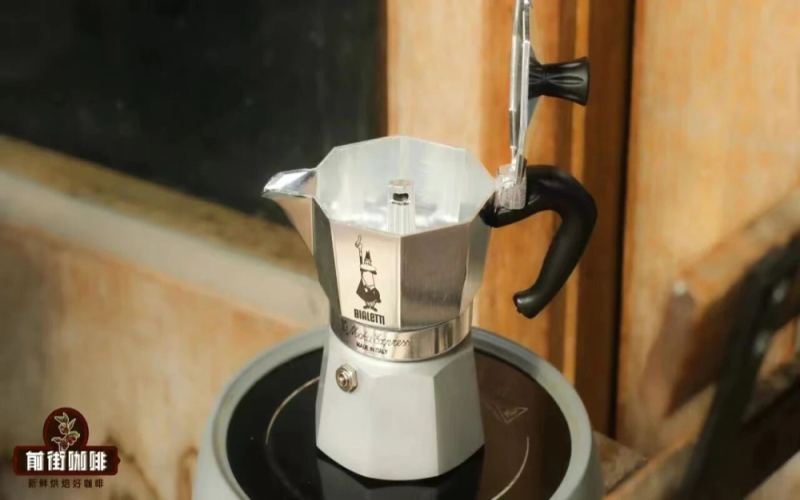
The Complete Guide to Moka Pot Brewing: Structure, Principles, Suitable Beans, and Grind Size Explained
Although the moka pot is not as common in cafés as commercial espresso machines, it plays an irreplaceable role in Italian households. Some call it an Espresso Pot, while others question whether it can make true espresso, but its pressure extraction principle and unique construction are enough to make every cup of coffee worthy of serious attention. From the perspective of Front Street, this article systematically sorts out the three-part structure of the moka pot, its pressure extraction mechanism, and the approach to selecting suitable bean types and grind sizes, and provides complete operating steps from pouring water, loading grounds, heating, to cooling down, helping coffee enthusiasts reliably recreate a rich and full-bodied moka pot coffee at home. [more…]